The Question Almost Every Property Owner Asks
Sooner or later, most facility managers and business owners find themselves asking the same question: do we need armed security, or is unarmed coverage enough? It is a fair question, and it deserves a real answer rather than a sales pitch toward whichever option costs more.
At Securemedy, we treat this as a site-by-site assessment, not a default setting.
What Actually Separates the Two
The visible difference is obvious. The practical difference is less about the firearm itself and more about training, licensing, and the kind of risk a site is managing.
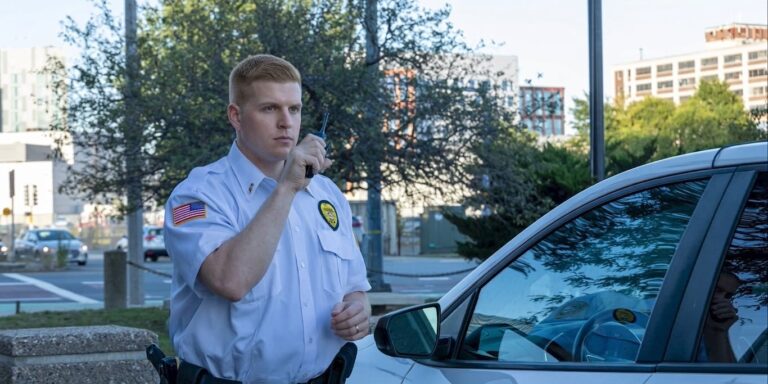
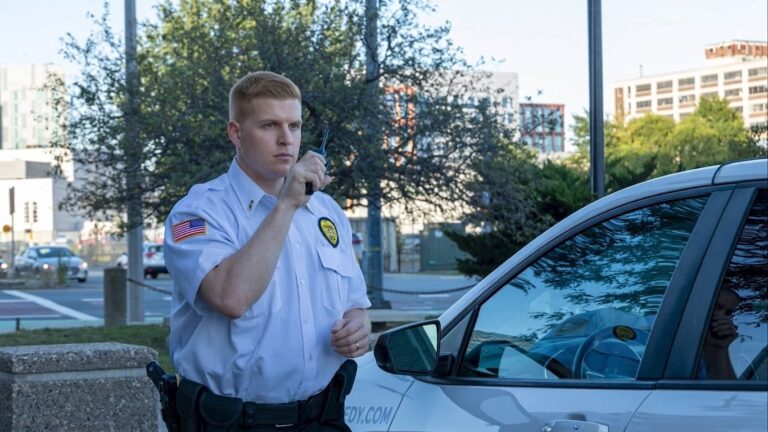
Unarmed officers are trained in observation, access control, de-escalation, report writing, and emergency response coordination. For many commercial properties, retail locations, and office campuses, this is the right level of coverage. It provides a visible deterrent and a trained point of contact without introducing the added regulatory and liability layers that come with firearms.
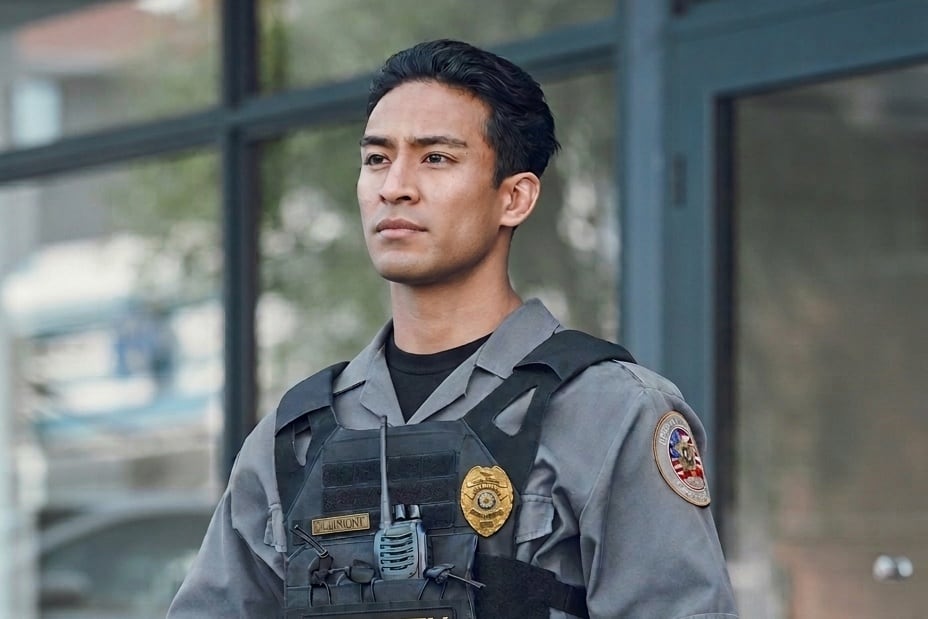
Armed officers carry additional certification requirements, ongoing firearms qualification, and a higher standard of situational judgment. This level of coverage tends to fit environments with a documented history of higher-risk incidents, cash handling, high-value assets, or specific client and insurance requirements.
Factors Worth Weighing, Not Guessing At
- The site’s actual risk history, not a general sense of unease
- Insurance and contractual requirements, which sometimes specify a minimum coverage level
- Local licensing law, which varies by state and affects what is even permitted
- The nature of foot traffic, since a hospital lobby and a distribution warehouse carry very different risk profiles
- Client and stakeholder expectations, especially for public-facing sites
None of these factors point to a universal answer. That is the point. A property that assumes it needs armed coverage because a competitor has it, or assumes unarmed is always cheaper and therefore better, is making a decision based on optics rather than risk.
How Securemedy Approaches the Decision
We start with a site assessment, not a sales script. That means looking at layout, past incident history if available, foot traffic patterns, and what the client is actually trying to protect, whether that is people, inventory, sensitive information, or reputation. From there, we recommend a posture, and we are equally comfortable recommending unarmed coverage as we are recommending armed, because the goal is fit, not upsell.
For a broader look at how we think about these tradeoffs across the industry, our industry standards reference point comes from bodies like ASIS International, which publishes guidance precisely because there is no one-size answer in this field.